Garden care for Hoxton Square terraces: a practical local guide to keeping small outdoor spaces thriving
Terrace gardens in Hoxton Square can be brilliant little spaces. They're often compact, a bit exposed, and full of personality. One minute you've got a sunny planter bursting with herbs, the next you're dealing with wind, shade, tricky access, or a patio that dries out faster than you can water it. That is exactly why Garden care for Hoxton Square terraces needs a different approach from a big suburban garden.
This guide walks you through what good terrace garden care actually looks like in a central London setting: how it works, what matters most, where people usually go wrong, and how to keep the space looking tidy without turning it into a weekend chore. You'll also find practical checks, comparison points, and a real-world example so you can make sensible decisions for your own space. No fluff. Just the useful stuff, properly explained.
Table of Contents
- Why Garden care for Hoxton Square terraces Matters
- How Garden care for Hoxton Square terraces Works
- Key Benefits and Practical Advantages
- Who This Is For and When It Makes Sense
- Step-by-Step Guidance
- Expert Tips for Better Results
- Common Mistakes to Avoid
- Tools, Resources and Recommendations
- Law, Compliance, Standards, or Best Practice
- Options, Methods, or Comparison Table
- Case Study or Real-World Example
- Practical Checklist
- Conclusion
- Frequently Asked Questions
Why Garden care for Hoxton Square terraces Matters
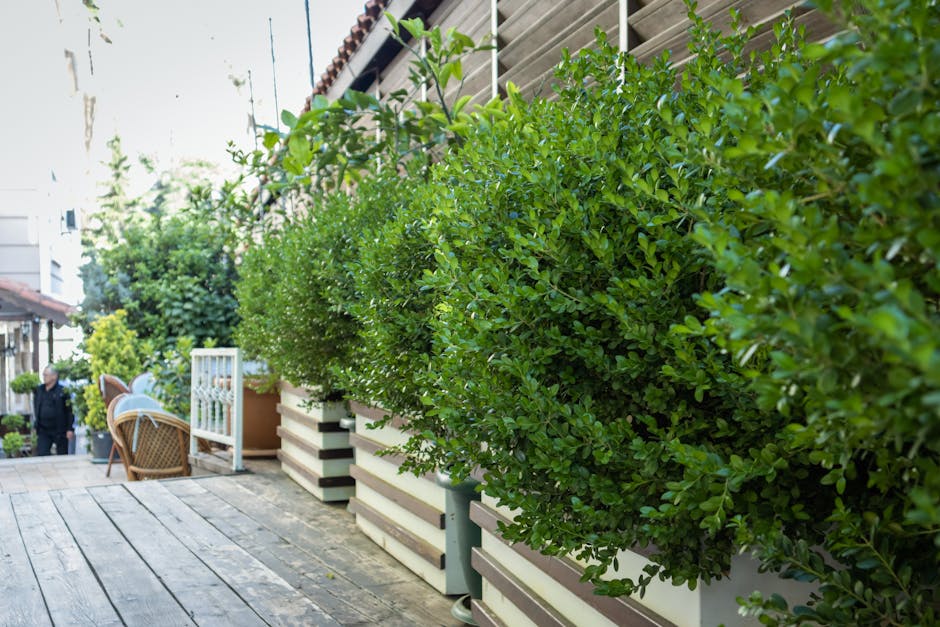
Terrace gardens in Hoxton Square are usually working harder than they look. They have to fit into a limited footprint, deal with urban conditions, and still make the home feel calmer, greener, and more welcoming. If a lawn is a countryside luxury, a terrace garden is more like a smart city tool. It needs planning.
Local conditions shape everything. In a built-up part of East London, terraces often get reflected heat from brick and paving, wind funnels between buildings, and patchy light from neighbouring walls or upper floors. That means the same plant can thrive in one corner and sulk in another. Truth be told, a lot of poor terrace planting is not about "bad gardening" at all. It is just the wrong plant in the wrong spot.
Good garden care also protects your investment. Planters crack, soil becomes tired, drainage gets blocked, and overgrown climbers can look charming for about five minutes before they start straining trellises and making everything feel cramped. Regular care keeps the space usable, attractive, and less expensive to rescue later.
For residents who want a broader property-care approach, it can help to look at related services such as professional gardening services or even complementary support like landscaping services if the terrace needs a more structural refresh. In our experience, the best outcomes often come from combining routine plant care with sensible design tweaks.
Expert summary: Terrace gardens succeed when maintenance matches the space: small, regular tasks; the right plants for light and wind; and a plan for drainage, containers, and seasonal change. Keep it simple and consistent, and the whole space feels easier to live with.
How Garden care for Hoxton Square terraces Works
Terrace garden care is not one fixed service. It is usually a mix of maintenance, plant health, tidy-up work, and small improvements. The exact approach depends on how the terrace is used. A balcony-style terrace with containers needs different attention from a planted courtyard or a roof-edge space with more exposure.
The usual rhythm is straightforward:
- Assess the space - check light, shade, wind, access, drainage, and existing plant health.
- Clear and reset - remove dead growth, fallen leaves, algae, weeds, and any clutter blocking movement.
- Shape and prune - cut back overgrown shrubs, climbers, and perennials so they keep their form and do not swamp the area.
- Refresh the soil - top up compost, improve feeding, and make sure containers are not completely exhausted.
- Water properly - deep, considered watering beats quick daily splashes that barely reach the roots.
- Monitor and adjust - check for pests, stress, root crowding, and seasonal changes before problems build up.
That process may sound obvious, but small terraces reward discipline. A 20-minute tidy each fortnight often does more good than one big intervention every few months. And yes, the terrace that looks "fine" in March can be a messy tangle by June if nobody keeps an eye on it.
Care also depends on the garden style. Minimalist planting, edible herbs, wildlife-friendly pots, evergreen structure, or a mixed display all need slightly different maintenance. The point is not to overcomplicate things. The point is to make the garden easier to enjoy.
Key Benefits and Practical Advantages
Well-managed terrace gardens offer more than just a pretty view from the kitchen window. The benefits are practical, emotional, and honestly quite immediate when the space is working well.
1. A better-looking home environment
A cared-for terrace makes the whole property feel more finished. Clean containers, healthy foliage, and tidy edges can lift a small space dramatically. It is one of those things people notice without always knowing why.
2. Better plant health
Regular maintenance reduces stress on plants. That means fewer dead stems, fewer pest outbreaks going unnoticed, and a better chance of plants surviving hot spells or wet, grim stretches of weather.
3. Safer, more usable space
Leaves on paving, moss on steps, loose pots, and blocked drains can all create nuisance or risk. A managed terrace is easier to walk through, sit in, and clean.
4. Lower long-term cost
Letting a terrace go can be expensive in a quiet, sneaky way. A tired potting mix here, a broken planter there, a climber pulling away from supports... suddenly the job is bigger than it should have been. Maintenance prevents that spiral.
5. Better seasonal flexibility
With the right care, you can change the feel of a terrace through the year. Spring bulbs, summer herbs, autumn texture, winter structure. It keeps the space alive rather than looking stranded for half the year.
One small but important advantage: a cared-for terrace is easier to live with mentally. You step outside, breathe, and the space feels intentional. Not perfect. Just looked after. There's a difference.
Who This Is For and When It Makes Sense
Garden care for Hoxton Square terraces makes sense for a wide range of people, but especially for those who want a good-looking space without having to learn every detail of horticulture by trial and error. To be fair, no one wants to spend their Saturday fighting bindweed in a planter box.
This is especially relevant if you:
- own a flat or townhouse with a terrace that sees daily use
- rent a property and want the outdoor area to stay presentable
- manage a let or short-term rental where outdoor appeal matters
- have containers, raised beds, or climbers that need routine attention
- want a garden that supports relaxing, dining, or entertaining
- have inherited an outdoor space that looks neglected or patchy
It also makes sense when the terrace is small enough that every plant choice matters. A big garden can absorb a mistake. A terrace usually cannot. One poor choice of evergreen can dominate the whole area. One badly placed planter can choke circulation. This is why thoughtful, localised care matters so much.
If you're comparing options, it can help to read more about garden maintenance as a broader service, or look at garden clearance if the terrace needs a proper reset before maintenance begins. Sometimes the smartest first step is not feeding or pruning. It is clearing the slate a little.
Step-by-Step Guidance
If you want a terrace garden that stays manageable, work in a steady order. The sequence matters more than people think. Random tinkering often leads to extra mess.
Step 1: Observe the space properly
Start with light, wind, and movement. Which part gets morning sun? Where does rain pool? Is there a corner that always feels cold and dry? Spend a few minutes noticing rather than guessing. That little pause saves a lot of plant casualties.
Step 2: Remove the obvious clutter
Take out dead leaves, spent flowers, broken pots, old supports, and anything that blocks access. It sounds basic, but a tidy base makes every other decision easier. Suddenly you can see what is actually going on.
Step 3: Check the containers and soil
Terrace plants live or die by their pots. Look for cracked containers, drainage holes that are blocked, and compost that has compacted into a hard brick. If the soil is depleted, refresh it. Plants cannot pull nutrients from thin air. If only.
Step 4: Prune for shape and health
Cut back dead or crossing stems first. Then shape plants so they suit the space. The goal is not to make everything tiny. The goal is to make it fit the terrace without chaos. Climbers should be trained, not allowed to go feral.
Step 5: Feed and water with a plan
Water deeply and less often where possible, especially in summer. Feed container plants according to type, but avoid overdoing it. More fertiliser does not automatically mean more flowers. Sometimes it means lush leaves and very few blooms, which is mildly annoying.
Step 6: Add seasonal structure
Use evergreen shrubs, grasses, or architectural plants to keep the terrace looking good in months when flowering plants are resting. A couple of strong shapes can hold the whole space together.
Step 7: Review monthly
Every month or so, step back and ask: is anything crowding, fading, or leaning badly? Is there a planter in the wrong place? Do the pathways still feel open? That simple check prevents drift.
Expert Tips for Better Results
Most strong terrace gardens are not the result of grand gestures. They come from a series of sensible small choices. Nothing glamorous, but very effective.
- Prioritise the containers first. In terrace settings, the pots are the garden structure. Choose decent sizes, good drainage, and stable materials.
- Match plants to exposure. A sunny south-facing terrace is not the place for shade lovers, and a windy roof-edge space needs tougher planting than a sheltered courtyard.
- Mix evergreen and seasonal interest. This avoids the "great in May, bare in November" problem.
- Keep a small margin of empty space. Overfilling every corner makes a terrace feel cramped and harder to maintain.
- Use mulch where practical. It helps hold moisture and keeps pots looking finished. Just avoid piling it against stems.
- Trim before plants become a problem. Early intervention is kinder than a huge hard cut later.
- Think in layers. A taller plant, mid-height foliage, and ground-level texture often looks far better than a row of identical pots.
A tiny observation from real life: a terrace can go from "fine" to "wow, this actually feels calm" with surprisingly little change. Two better pots, one healthier climber, and a proper clean of the paving. That's often enough.
If the space is more complicated, support can come from related services like hedge trimming for boundary structure or tree surgery when a nearby tree is affecting light, roots, or overhead growth. Sometimes the issue is not the terrace itself. It's what surrounds it.
Common Mistakes to Avoid
There are a few terrace garden mistakes that show up again and again. They are understandable, but they do the same damage every time.
Overcrowding the space
People often buy too many plants because each one looks lovely in the shop. Then the terrace becomes a maze. Leave breathing room. Small outdoor spaces need discipline, not just enthusiasm.
Using the wrong plants for the conditions
Sun, shade, wind, and reflected heat all matter. A plant that survives in a sheltered suburban border may struggle on an exposed terrace.
Ignoring drainage
Pots without proper drainage, or paving where water pools, quickly cause root stress and slippery surfaces. It's not dramatic at first, but it adds up.
Letting container soil age too long
Old compost loses structure and nutrients. If you keep feeding tired soil without refreshing it, you usually just end up with tired plants in slightly better moods. Not enough.
Pruning too hard, too late
Terrace plants can recover from a lot, but a clumsy cut at the wrong time can strip away flowers, shape, or privacy. Better to prune with intention.
Forgetting seasonal maintenance
What works in June may be a mess by November. The terrace needs different attention across the year, not one repeated routine for all seasons.
Assuming "low maintenance" means "no maintenance"
This one catches people out. Low maintenance is not zero maintenance. It means smart choices that reduce effort, not remove it entirely.
Tools, Resources and Recommendations
You do not need a shed full of equipment to keep a terrace in good shape. A lean set of reliable tools is usually enough.
| Tool or resource | Best use | Why it helps on terraces |
|---|---|---|
| Hand pruners | Cutting back stems, deadheading, shaping | Precise control in tight spaces |
| Secateurs with clean blades | Regular maintenance cuts | Reduces tearing and helps plant recovery |
| Watering can or hose with control | Targeted watering | Prevents oversplashing and wasted water |
| Compost and slow-release feed | Refreshing pots and supporting growth | Container plants need regular nutrition |
| Sturdy gloves | General cleanup and pruning | Useful for thorny, rough, or debris-heavy jobs |
| Lightweight broom or patio brush | Cleaning paving and corners | Helps terraces feel tidy quickly |
For larger overhauls or recurring support, it can be worth reviewing garden maintenance in London if available on your site, especially if you want local service context and a regular schedule. If your terrace includes a lawn strip, a green wall, or built-in planting, related guidance on planting services may also be helpful.
A simple purchase rule works well: buy fewer, better tools and keep them clean. A sharp pruner beats a drawer full of blunt gadgets every single time.
Law, Compliance, Standards, or Best Practice
Terrace garden care is usually straightforward, but there are still sensible UK best-practice considerations to keep in mind. This is especially true in shared buildings, flats, or managed properties.
Access and shared responsibility: If your terrace forms part of a block or shared building, check lease or management responsibilities before altering fixed structures, drainage runs, or boundary screens. Small cosmetic changes are often fine, but anything attached to the building may need permission.
Drainage and runoff: Water should not create nuisance for neighbours below or next door. Avoid placing containers where they regularly overflow toward shared walkways or lower balconies. It is just courteous, and in many homes it prevents avoidable complaints.
Weight and load: Heavy planters, large water features, and soil-filled raised beds can become an issue on upper terraces. If you are making major changes, get proper advice rather than guessing. This is one of those times where caution is sensible.
Plants and support structures: Trellises, climbers, and screens should be secure and appropriate for the setting. Loose fittings can become a nuisance in strong winds.
Herbicides and chemicals: Where products are used, they should always be applied carefully and in line with the manufacturer's instructions. In a terrace environment, many people prefer lower-impact methods anyway because drift and runoff are harder to manage.
Best practice, in plain English: keep the terrace tidy, safe, and considerate to the building around it. If a maintenance plan feels a bit over-cautious, that's usually a good sign in a city setting.
Options, Methods, or Comparison Table
Different terrace gardens need different levels of attention. Here's a quick comparison to help you judge what kind of approach fits best.
| Approach | Best for | Pros | Trade-offs |
|---|---|---|---|
| DIY light maintenance | Small, simple terraces with hardy plants | Low cost, flexible, good for routine tidy-ups | Easy to miss drainage, nutrient, or pruning issues |
| Scheduled professional care | Busy households, rental properties, mixed planting schemes | More consistent results, less stress, better seasonal planning | Ongoing cost |
| Full terrace refresh | Neglected or poorly designed spaces | Big improvement in structure and usability | More upfront work and planning |
| Planting-only support | Spaces that need new pots, species, or layout changes | Good for fixing weak design issues | May still need regular maintenance afterwards |
If you like being hands-on, DIY can work well for straightforward terraces. If the space has expensive planting, awkward access, or you simply do not want to spend every other weekend pruning, scheduled help tends to pay for itself in sanity alone. Lets face it, that matters too.
Case Study or Real-World Example
Here is a realistic example based on the kind of terrace that turns up often around central London. A first-floor Hoxton Square terrace had three large containers, one climber on a wall trellis, and a small paved seating area that was being used less and less because it felt messy.
The main issues were familiar: tired compost, one rosemary plant in the wrong position, ivy beginning to crowd the trellis, and a build-up of leaves around the paving edges. The space was not neglected in a dramatic way. It was just drifting.
The fix was practical rather than fancy. The containers were emptied and refreshed, the planting was reorganised so the sunniest spot held the herbs, the climber was cut back and retrained, and the paving was properly cleared. A couple of structural evergreens were added for winter shape, which made the terrace feel complete even when flowers were out of season.
The result was not a show garden. It was better than that. It became usable again. The owner could step out with a coffee in the morning, sit out in the evening without feeling like the garden needed "doing," and keep up with maintenance in short bursts. That is usually the real goal.
If the terrace you have now feels slightly overwhelming, that does not mean it is beyond help. Most of the time, it just needs a reset and a plan.
Practical Checklist
Use this quick checklist to keep terrace care on track through the year.
- Check how much sun and shade the terrace gets in different seasons
- Look for blocked drainage holes in pots and planters
- Remove dead leaves, weeds, and spent flowers regularly
- Water deeply, especially during dry spells and hot spells
- Refresh tired compost and top up nutrients where needed
- Prune back crowding growth before it becomes unmanageable
- Make sure climbers, trellises, and supports are secure
- Keep pathways and paving clear for safe access
- Replace weak, failing, or badly placed plants rather than trying to rescue everything
- Review the space seasonally so the terrace stays balanced, not just tidy for one week
Quick reminder: if your terrace is starting to feel cramped, drying out too quickly, or losing shape, the solution is usually a small correction rather than a big overhaul. Small corrections. That's the trick.
Conclusion
Good garden care for Hoxton Square terraces is really about making a compact outdoor space work hard without making it hard work for you. When the planting suits the light, the pots have proper drainage, the pruning is timely, and the maintenance is steady, even a small terrace can feel generous, calm, and genuinely useful.
The biggest difference usually comes from consistency. A little attention at the right time beats occasional panic every time. And once the space starts to settle, you notice it in everyday life: a better first cup of tea outside, a cleaner view from indoors, a quieter little corner at the end of the day. Simple things, but they matter.
If you're thinking about a refresh, a maintenance plan, or a full terrace tidy-up, now is a sensible moment to get the space back on your side.
Get a free quote today and see how much you can save.
Frequently Asked Questions
What is the best way to maintain a small terrace garden in Hoxton Square?
The best approach is regular light maintenance rather than occasional heavy work. Keep on top of watering, pruning, deadheading, and drainage checks, and use plants suited to the terrace's light and wind levels.
How often should terrace plants be watered?
It depends on pot size, weather, and exposure, but container plants usually need closer attention than ground-planted ones. In warm or windy periods, check daily if possible, then water deeply when the top layer of compost starts to dry out.
Which plants work well on London terraces?
Hardy, compact, and container-friendly plants usually do well. Think evergreen structure, tough herbs, ornamental grasses, and seasonal flowers that cope with sun, shade, or wind depending on your specific terrace conditions.
Do terrace gardens need professional maintenance?
Not always. Smaller, simple terraces can often be maintained by the owner. But if the space is busy, overgrown, hard to access, or part of a rental property, professional care can save time and keep the garden healthier.
How do I stop containers from drying out too fast?
Use larger pots where possible, improve compost quality, mulch the surface, and choose plants that suit the exposure. Grouping containers together can also reduce drying from wind and sun.
What are the most common mistakes with terrace gardens?
The biggest mistakes are overcrowding, poor drainage, using the wrong plants for the conditions, and leaving container soil too tired for too long. Those four account for a lot of terrace trouble, honestly.
Can I grow herbs on a Hoxton Square terrace?
Yes, herbs can do very well if they get enough light and are not overwatered. Rosemary, thyme, mint in contained pots, chives, and parsley are common choices, though each one has slightly different needs.
Is terrace garden care expensive?
Costs vary depending on how much work is needed, how large the terrace is, and whether plants or containers need replacing. Routine maintenance is usually more affordable than allowing a space to deteriorate and then rebuilding it later.
When is the best time to prune terrace plants?
That depends on the species, but many terrace plants benefit from pruning at the end of flowering, in late winter, or during light seasonal tidy-ups. Avoid hard pruning at random times unless the plant specifically tolerates it.
What should I do before winter arrives?
Clear dead growth, check drainage, protect vulnerable pots, secure climbers and supports, and reduce any obvious risks from wind or waterlogging. A little preparation before colder weather makes spring much easier.
How do I know if a terrace needs a full refresh rather than basic upkeep?
If plants are failing repeatedly, the layout feels cramped, drainage is poor, or the terrace has lost its shape, a full refresh may be more effective. Sometimes a reset is simply the smarter call.
Are there any special considerations for terraces in flats or shared buildings?
Yes. Check lease or building guidance before changing fixed elements, heavy planters, or anything affecting drainage and structure. It is always better to confirm first than to deal with a problem later.