Lawn Mowing in Hoxton

Lawn mowing in Hoxton is about keeping grass neat, even and manageable with a service that fits the demands of a busy urban setting. Our work focuses on regular cutting, tidy finishing and sensible upkeep for front gardens, shared spaces and private lawns that need a dependable routine. Where a lawn is the main feature of a garden, we aim for a clean, consistent result that supports the rest of the outdoor space rather than overwhelming it.
We treat mowing as part of wider lawn care rather than a one-off pass across the grass. That means attention to cut height, edging, clippings and the condition of the grass itself, so the finish looks considered rather than rushed. For customers comparing options, our lawn mowing service sits at the centre of what we do, while linked maintenance tasks can be added where they make sense for the site and the season.
Regular mowing can help a lawn stay denser and more even, but it is not only about frequency. It is also about matching the cut to growth, weather and use. A lawn used for seating, access or light family activity often benefits from a slightly different approach to one that is mostly decorative. Our services overview gives a broader picture of how the work can be arranged across a garden rather than treated as a stand-alone visit.
Routine mowing and tidy finishing
Routine mowing is the core of the service, and it suits lawns that need a reliable finish through the growing season. We can keep the grass to a suitable length, avoid an uneven look and leave the surface looking cared for without overcomplicating the job. A tidy result usually depends on more than the machine itself, so we also pay attention to edges, awkward corners and transitions where lawn meets beds, paving or paths.
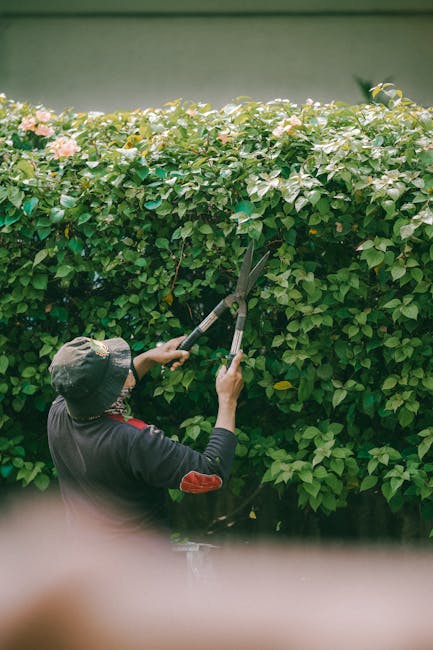
For gardens that need more than cutting alone, we can combine mowing with other maintenance work so the grass does not become part of a larger backlog. Garden maintenance can cover the broader ongoing care of planted and paved areas, while hedge trimming is often relevant where boundary planting starts to shape the light and space around the lawn. Together, these services help keep the garden readable and easier to look after.
What a standard cut can include
A standard mowing visit may include a careful cut, sensible edging around borders and paths, and the removal or collection of clippings where agreed. The aim is a neat finish that looks deliberate from the first glance and still stands up once you walk across the lawn. When a garden has narrow sections or irregular shapes, the finish matters just as much as the main expanse of grass, because those small details affect how polished the whole area appears.
Cutting plans for different lawn conditions

Not every lawn needs the same treatment, and a good mowing plan takes account of grass length, growth rate and how the space is used. Short ornamental grass, family lawns and more lightly used patches all benefit from a cut that suits their purpose. Cutting too much at once can leave the lawn looking stressed, so the work should be handled with care rather than reduced to a single fixed approach for every garden.
Where the grass has grown away from its usual schedule, a more gradual return to neatness may be appropriate instead of forcing it into a very short cut. This is especially useful in gardens where there are patches of shade, worn areas or mixed growth around trees and borders. If the lawn is part of a larger plot, garden clearance can also be relevant before routine mowing becomes easier to manage again.
- Regular cuts for lawns that benefit from steady upkeep.
- Condition-aware cutting where growth, shade or wear affect the finish.
- Edge work to keep the lawn distinct from beds, fences and paving.
- Clipping collection when a cleaner surface is preferred after mowing.
Working with the rest of the garden
Lawn mowing often works best when it sits alongside other garden tasks instead of being treated in isolation. If the grass is framed by overgrown shrubs, leaning hedges or trees with low growth, the mowing result can be improved by bringing those elements back into balance. Tree lopping and removal may be relevant where tree growth is shading the lawn heavily or limiting the usable shape of the garden, while more general landscape work can support a cleaner layout overall.
Where a client wants a garden that feels more coherent from one area to the next, the lawn is usually one piece of the whole design. That is why some customers choose to combine ongoing mowing with broader improvement work. Landscaping can help reshape outdoor areas that no longer suit the way they are being used, and landscape gardening may be useful where planting, structure and lawn space all need to work together more effectively.
Tell us what the lawn is like now, how often it usually grows and whether any areas need special care; that is often enough to start shaping a sensible plan. If you are comparing approaches, keep it simple at first and focus on the finish you want, then decide whether routine mowing alone is enough or whether the wider garden would benefit from extra support. For a straightforward first step, you can always request a quotation once you know the scope.
Details that affect the mowing method

The mowing method can vary with access, lawn shape and the presence of features such as borders, slopes or fixed furniture. A compact courtyard lawn is not the same as a broader rear garden, and the route taken across it can change how clean the finish looks. We work with the layout that is there, taking care around plants, hard edges and areas where the lawn narrows or meets other surfaces.
Some lawns also need a little extra judgment around finish height. Cutting very low may make sense for one garden but not another, especially where the grass is exposed to strong sun or inconsistent watering. In practical terms, the right approach is the one that leaves the lawn looking tidy and healthy enough to continue recovering well. Where the garden includes built elements, decking services may be useful alongside lawn care if the outdoor space has mixed surfaces that need a coordinated appearance.
Useful information to share when asking for a price
A clear request is easier to shape when it includes the main lawn size, any awkward sections and whether the grass needs a basic cut or a more detailed tidy-up. Photographs can also help with understanding the layout, especially where access is tight or the garden has features that affect how the work is approached. That does not need to be complicated; a brief description and a few images are usually enough to show what needs doing.
Additional garden services around the lawn
Some gardens need support beyond mowing because the lawn is only one part of the overall job. If the garden has become cluttered with cuttings, branches or general outdoor debris, clearance can restore the space to a workable condition before routine mowing starts again. In that case, garden clearance and mowing can complement each other by addressing both the surface growth and the material that is sitting around it.
We can also support gardens where the boundary planting has grown enough to change how the lawn reads visually. Hedge trimming helps preserve a sharper outline, while broader maintenance keeps the garden from feeling unfinished between visits. When a project needs a wider reset rather than simple upkeep, it may be sensible to look at more substantial work after the grass has been brought back under control. Landscape gardening can be part of that longer view.
Choose the work that matches the real condition of the garden rather than trying to bundle everything into one generic visit. Some spaces need only a careful mow and tidy finish; others are improved by trimming, clearance or a simple reshaping of the surrounding planting. Our aim is to make the lawn easier to maintain next time, not just neater for a single day.
About Hoxton
Hoxton is an inner London district in the London Borough of Hackney, lying just north of the City of London and closely associated with the wider East End of the capital. Its name has medieval origins, and over time the area has moved from a rural settlement on the edge of London to a densely built urban neighbourhood with a mix of residential streets, commercial spaces and creative activity. The area is known for its contrast between surviving older buildings and more recent development, with narrow streets, converted warehouses and housing estates sitting alongside offices, galleries and nightlife venues. Hoxton Street is one of the best-known local thoroughfares, while nearby Shoreditch and Haggerston help define the area’s wider character without replacing its distinct identity. Hoxton Square is a notable open space and an important historical reference point, reflecting the district’s long evolution as the city expanded eastward. Cultural life in and around Hoxton has also played a strong part in its modern reputation, with art, design, music and hospitality contributing to a busy urban atmosphere. Although the surroundings are compact and heavily developed, there are still pockets of greenery and tree-lined streets that soften the built environment. The area’s mix of old and new, commercial and residential, gives it a layered character that is typical of central-eastern London yet still recognisably local.
From seasonal growth to regular upkeep
Grass grows at different rates through the year, and a sensible mowing pattern keeps the lawn aligned with that rhythm rather than forcing it into an unsuitable schedule. In spring and early summer, a lawn may need closer attention as growth speeds up, while later in the year the work may become more measured. Our approach is to keep the finish even and presentable while respecting the condition of the grass, so the result feels balanced rather than overworked.
Regular mowing is often at its best when the lawn is not allowed to become difficult between visits. That makes it easier to maintain a neat line, reduces the chance of ragged edges and helps the whole garden feel orderly. If the lawn is part of a larger outdoor setting, broader maintenance can prevent the grass from being visually swallowed by other growth. For that reason, some customers choose to pair mowing with landscaping when the layout itself could be improved as well as the surface.
What helps a lawn look its best
Simple habits support good mowing results: keeping the grass from becoming overly long between cuts, making sure borders are accessible, and avoiding unnecessary disturbance to damp or fragile ground. When the lawn is in better condition overall, the finish tends to stay cleaner for longer. A neat edge, a consistent cut and sensible timing often matter more than trying to solve every issue in one visit.
Supporting mixed-use and smaller gardens

Urban gardens often serve several purposes at once, and that affects how mowing should be carried out. A lawn may be part play space, part seating area and part visual green relief from paving or brickwork. In these settings, cutting the grass neatly is only one piece of the job; the finish also needs to sit comfortably alongside the way people use the space day to day. A careful mow can make a compact garden feel more orderly without making it look stripped back or overmanaged.
Smaller gardens can still benefit from the same care as larger ones, especially where the lawn shape is awkward or the borders are close. Careful working around edges, ornaments and planted sections helps preserve the character of the space. Where the ground includes hard landscaping or a decked area, the relationship between surfaces matters, and a cleaner boundary line can make the whole outdoor area feel more settled. If useful, decking services may sit alongside the lawn work within a broader outdoor plan.
If the space has become difficult to manage, start with the grass and then decide whether a wider tidy-up would improve the result. A lawn that is back under control often reveals what else needs attention, and that can guide the next stage without guesswork. Clear priorities usually save time later, because the work is organised around what actually matters in the garden rather than around assumptions.
Quotations and next steps
Quotation requests are easier to handle when they describe the lawn honestly and plainly. A short note about size, condition and access helps establish what kind of mowing is needed, while pictures can make it easier to judge whether the job is a routine cut or part of a broader maintenance visit. If there are areas you want to leave alone, or sections that need extra attention, it is worth mentioning those details from the start.
For a lawn that has drifted beyond routine upkeep, the estimate may also reflect whether any preparatory work is sensible before mowing. That can include light clearance, edge recovery or the removal of overgrowth that is stopping the grass from being cut properly. If you are deciding how to proceed, look at the lawn first, then think about the wider garden, and finally ask for the work that matches that picture rather than asking for a generic package. You can request a quotation here when you are ready.
The main aim is straightforward: a neat lawn in Hoxton, maintained in a way that suits the space and the way it is used. If you already know the level of care you want, make that clear; if you are still deciding, a brief enquiry is enough to start the conversation. A simple request for pricing is often the quickest route to getting the right mowing plan in place.